One in three French people suffers from sleep disorders. And every year, 18 million boxes of sleeping pills are sold in France — with their share of dependence and side effects. CBD has become, since 2020, the most studied natural alternative. Here's what the science has truly shown, and how to use it correctly.
Does CBD really help you sleep?
The most cited evidence: Shannon et al. 2019, clinical study published in The Permanente Journal. 72 adults with anxiety and sleep disorders received 25 mg of CBD/day for 1 month.
Results:
- 79 % saw anxiety decrease
- 67 % saw sleep improve
- Stable effects over the 3-month follow-up
A broader meta-analysis (Suraev 2020) confirms: CBD significantly improves sleep in patients whose insomnia is linked to anxiety. For primary insomnia (no anxious cause), results are more mixed.
Key takeaway: CBD acts indirectly on sleep by reducing anxiety, hypervigilance and inflammation. It's not a classic sleeping pill.
How CBD acts on sleep
Three documented mechanisms:
1. Anxiety reduction (primary axis)
CBD modulates the activity of the 5-HT1A receptor (serotonergic receptor). It's the same receptor targeted by SSRI antidepressants and anxiolytics. Effect: anxiety drops → falling asleep facilitated.
2. Endocannabinoid system modulation
CBD inhibits the FAAH enzyme, increasing levels of anandamide (a natural "feel-good" endocannabinoid). Anandamide regulates the sleep-wake cycle.
3. Inflammation and pain reduction
For people with chronic pain (back pain, joint pain…), CBD reduces nociceptive signals that prevent sleep. Capano 2020 study: sleep improvement in 66 % of pain patients.
The optimal dose for sleep
No universal dose. Here's the range validated by studies:
| Profile | Recommended dose | |---|---| | Mild anxiety, restless sleep | 15-25 mg / night | | Moderate insomnia | 25-50 mg / night | | Severe insomnia / chronic pain | 50-160 mg / night | | Beyond 200 mg | Reverse stimulating effect reported |
Adjustment protocol:
- Start at 25 mg, 45 min before bed
- Keep a sleep journal for 3 nights
- If insufficient: increase by 10 mg
- Repeat until finding the minimum effective dose
- Bioavailability: 25-35 %
- Action onset: 15-30 minutes
- Action duration: 6-8 hours
- Advantages: covers the whole night, precise drop-by-drop dosing
- Bioavailability: 35-45 % (inhalation)
- Action onset: 2-5 minutes
- Action duration: 2-4 hours (short!)
- Advantage: instant effect
- Disadvantage: duration too short to cover the night
- Bioavailability: 6-15 % (digestion)
- Action onset: 60-120 minutes
- Action duration: 4-6 hours
- Advantage: convenient
- Disadvantage: variable depending on meal (fat = better absorption)
- 25 mg CBD (sublingual)
- + 1 mg melatonin (oral)
- 45 minutes before bed
- Pregnancy / breastfeeding: insufficient data, avoid by precaution
- Drugs metabolised by CYP3A4 / CYP2C19: warfarin, certain antiepileptics, immunosuppressants. Medical advice recommended.
- Severe hepatic insufficiency: CBD is metabolised by the liver
- Shannon S et al. "Cannabidiol in Anxiety and Sleep: A Large Case Series" Perm J. 2019.
- Suraev AS et al. "Cannabinoid therapies in the management of sleep disorders" Sleep Med Rev. 2020.
- Babson KA et al. "Cannabis, Cannabinoids, and Sleep: a Review of the Literature" Curr Psychiatry Rep. 2017.
- Capano A et al. "Evaluation of the effects of CBD hemp extract on opioid use and quality of life..." Postgrad Med. 2020.
- Iffland K, Grotenhermen F. "An update on safety and side effects of cannabidiol" Cannabis Cannabinoid Res. 2017.
Which CBD form for sleep?
🥇 Sublingual oil — the best option
Method: 7-8 drops (for 10 % oil), hold under the tongue for 60 seconds, then swallow.
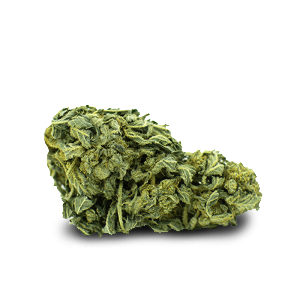
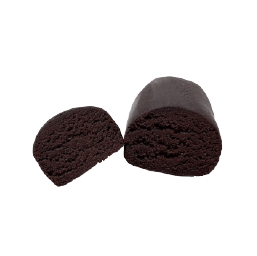
🥈 Flowers / vaporised resins
To combine with an oral oil for duration.
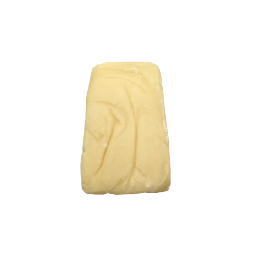
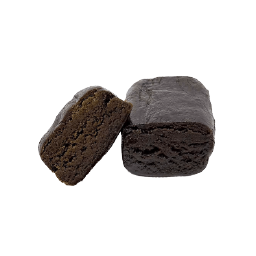
🥉 Capsules / foods
Take 2 hours before bed to anticipate the action delay.
CBN: the sleep cannabinoid?
CBN (cannabinol) is becoming the rising star of natural sleep. Derived from oxidative degradation of THC, but itself non-psychoactive and legal in France.
Studies are still limited, but the pharmacological profile is very interesting: mild sedative, prolongs deep sleep phase. Often combined with CBD in "sleep" oils (CBD:CBN ratio 2:1 or 3:1).
CBD + melatonin: the winning combination
Melatonin regulates the circadian rhythm (internal clock). CBD regulates anxiety and deep sleep quality. Together, they target two different mechanisms.
Tested protocol:
Note: melatonin is over-the-counter in France up to 1.9 mg per dose. Above that, prescription-only.
Frequent mistakes
❌ Taking CBD right before going to bed: sublingual absorption takes 15-30 min, oral 1-2h. Anticipate.
❌ Under-dosing or overdosing: 5 mg is ineffective for most. 300 mg is counter-productive.
❌ Combining with alcohol or benzo without medical advice: CBD inhibits some CYP enzymes — possible interaction.
❌ Expecting an immediate result: for chronic anxiety, often 1 to 2 weeks of regular use are needed before seeing the full effect.
❌ Neglecting sleep hygiene: CBD is not a miracle product. Without good hygiene (screens, temperature, regularity), no molecule is sufficient.
Are there contraindications?
For the great majority of healthy adults, CBD is very well tolerated, including long-term (Iffland 2017 study: no harmful effects at 1 year).